Some ingredients are background. Rocoto is not background.
Rocoto is one of the key chili peppers of Peru. It’s intense, it’s historic, and it defines the way many Peruvian dishes taste — especially ceviche.
In this article we’ll explain what rocoto is, where it comes from, how it tastes, and how we use it at NANIKA in Matosinhos, Porto, Portugal.
What is rocoto?
Rocoto is a traditional Peruvian chili pepper. It’s different from most chilies people know:
-
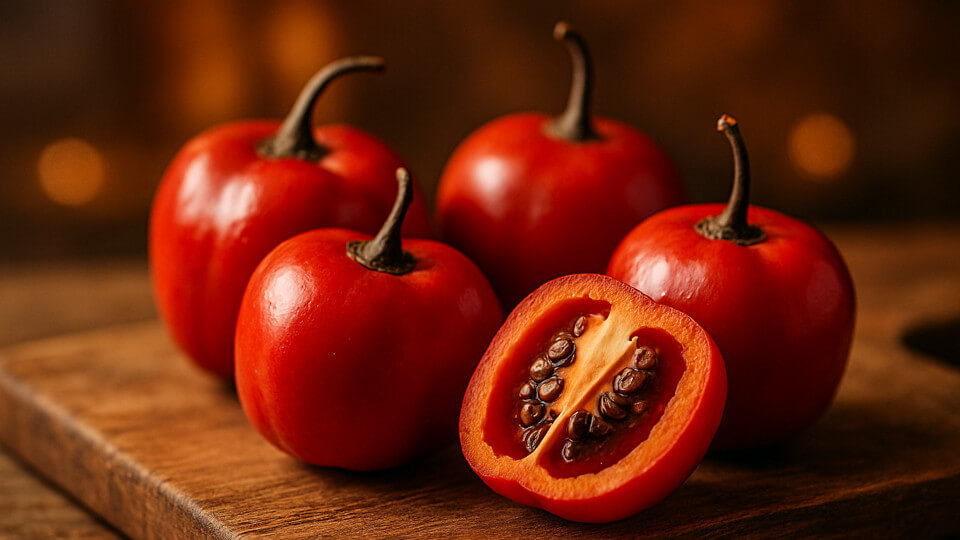
It’s round, thick, and juicy, sometimes red, orange, or yellow — it can look almost like a small bell pepper or an apple.
-
The seeds are dark (often black), which already tells you this is not a mild chili.
-
The plant itself has slightly hairy leaves. The scientific name is Capsicum pubescens (pubescens = “with small hairs”).
-
The flavor is fresh, slightly sweet, and very hot.
It’s not just another spicy pepper. In Peruvian food, rocoto is part of the identity of the cuisine.
A chili with real history
Rocoto is not a modern invention or a chef trend. It’s ancient.
This pepper has been cultivated in the Andes region for thousands of years, long before the Inca Empire. It grows well in cooler, high-altitude climates where many other chilies don’t survive. That alone made it essential to Andean cooking: people in the mountains could rely on it.
Because of that, rocoto became part of traditional recipes, especially in southern Peru. Places like Arequipa are famous for dishes built around this pepper. In those regions, rocoto is not “spice for tourists.” It’s normal daily food.
When people in Peru say “add rocoto,” they don’t just mean “make it hot.” They mean “make it taste like home.”
How spicy is rocoto?
Short version: rocoto is hot.
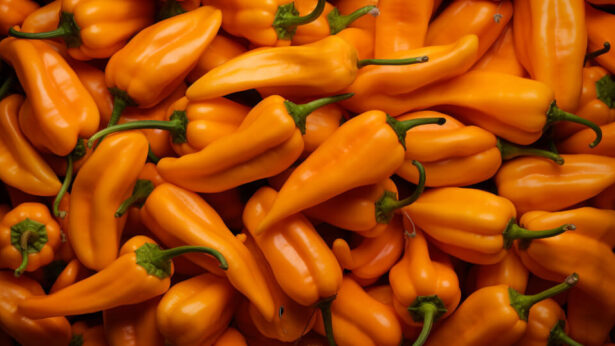
Ají amarillo (the famous yellow/orange Peruvian chili) is usually medium to medium-hot. You feel it, but you’re comfortable.
Rocoto is stronger.
The heat from rocoto is fast and direct. You feel it in your lips and tongue immediately. It’s not slow, smoky heat — it’s clean and sharp.
But the important thing is that you still taste what you’re eating. Rocoto doesn’t just burn; it also keeps the flavors bright. That’s why Peruvians like it in fresh dishes, especially seafood.
Rocoto vs. Ají Amarillo
Peru uses both of these peppers all the time, but they’re not the same.
Ají Amarillo:
-
Taste: fruity, citrusy, a little sweet.
-
Role: gives body, color, perfume.
-
Color: deep yellow / orange.
-
Heat: medium to medium-hot.
Rocoto:
-
Taste: fresh, green, slightly sweet, more “crisp.”
-
Role: adds tension and impact.
-
Color: bright red (usually).
-
Heat: hot.
In a lot of Peruvian food — especially ceviche and leche de tigre — ají amarillo builds the base flavor and rocoto brings the hit.
Without ají amarillo, the dish loses depth.
Without rocoto, the dish loses excitement.
You usually want both.
“Spicy” in Peru means spicy
This is important if you’ve only eaten “European-style ceviche.”
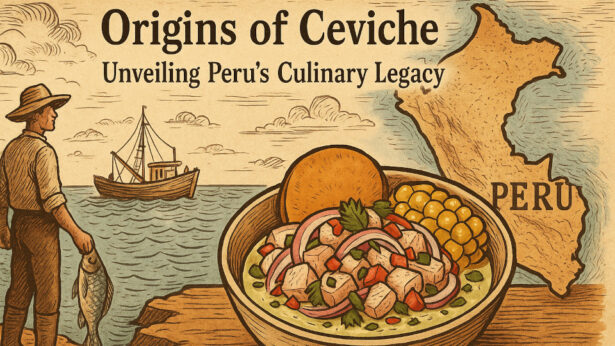
Traditional Peruvian ceviche is not mild. It’s supposed to have serious chili heat, sometimes close to what you’d feel in real Thai food.
People in Peru will tell you “no es muy picante” (“it’s not very spicy”), and then you take a bite and immediately feel it.
That heat usually comes from rocoto (sometimes together with ají amarillo). The chili is blended into the leche de tigre — the citrus and chili liquid that cures the fish — or added raw in tiny pieces.
Why that level of heat? Because ceviche is about balance:
-
Lime gives acidity.
-
Salt brings out flavor.
-
Fresh fish brings sweetness.
-
Onion and coriander bring freshness.
-
Rocoto brings energy.
Without the chili, it’s just “fish with lime.” With the chili, it’s ceviche.
Rocoto Relleno
One of the most famous dishes using rocoto is rocoto relleno, originally from Arequipa in southern Peru.
How it works:
-
A whole rocoto pepper is cleaned (the seeds and inner veins are removed — that’s where most of the extreme heat lives).
-
It’s sometimes blanched or soaked to manage the spice.
-
It’s stuffed with a savory filling, often minced meat with onion, spices, sometimes raisins or peanuts.
-
It’s baked and finished with cheese on top.
The result is rich, spicy, salty, slightly sweet, and very satisfying. You still taste the rocoto, but you can actually eat the whole pepper as a dish — it’s not just a garnish. It’s considered part of Arequipa’s culinary identity.
Salsa de Rocoto
Another classic way to use rocoto is as a table sauce.
Salsa de rocoto is usually made by blending fresh rocoto with oil, salt, sometimes lime, sometimes a little onion or tomato depending on the cook.
It looks harmless: smooth, glossy, bright red. It is not harmless.
You put a drop of it on:
-
fried fish,
-
anticuchos (grilled meat skewers),
-
yuca frita,
-
potatoes,
-
even plain rice.
One drop is enough to wake up the whole plate. Two drops will test your bravery.
This sauce is normal in Peru the way olive oil is normal in Italy. It just sits on the table and waits.
Rocoto in ceviche and leche de tigre
Leche de tigre — the curing liquid of a ceviche — is not only lime juice. It’s citrus, salt, fish juices, coriander, often ají amarillo for body and color… and rocoto for bite.
There are two main styles:
-
Blended rocoto: The pepper is processed directly into the leche de tigre, so the heat spreads evenly through the ceviche.
-
Minced rocoto: Tiny pieces of raw rocoto are mixed in at the end, so one spoonful might be smooth and citrusy and the next spoonful suddenly lights up.
That variation is intentional. It keeps ceviche exciting all the way through the dish.
This is also why Peruvian ceviche can feel much more powerful than “ceviche” versions served in Europe. It’s supposed to wake you up.
Rocoto and Nikkei cuisine
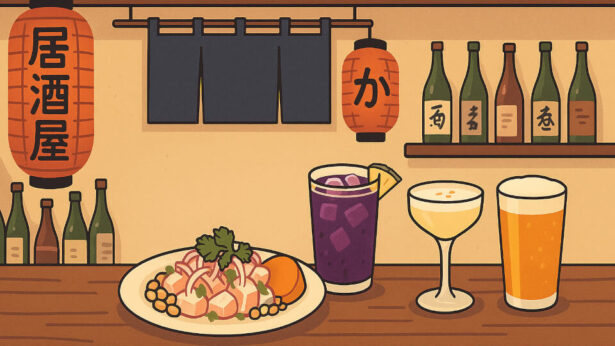
Peru has a long Japanese community and a deep Japanese influence in its food. That relationship created Nikkei cuisine: Japanese technique + Peruvian ingredients.
Rocoto is perfect in that world.
Imagine raw fish sliced with Japanese precision. Normally you’d serve that with soy sauce and wasabi. In Peru, you also have another option: dress it with citrus, coriander, salt — and chili.
Ají amarillo gives warmth and round flavor.
Rocoto gives sharpness and energy.
So you get something that still respects the fish like sashimi, but tastes undeniably Peruvian.
That is Nikkei in one bite.
How serious kitchens handle rocoto
Rocoto is strong. You can’t just throw it everywhere. Good kitchens treat it carefully:
-
Remove or keep the veins depending on the goal
Most of the heat lives in the seeds and the white inner membrane. If you keep more of that, it’s much hotter. If you remove it, you still get flavor without total destruction. -
Raw vs cooked
Raw rocoto = fast, bright, sharp heat (perfect for ceviche).
Cooked rocoto = rounder, slightly sweeter heat (perfect for rocoto relleno). -
Don’t numb the mouth
Too much rocoto and you can’t taste anything else. That’s not good cooking. The goal is always flavor first, heat second. -
Color matters
A good rocoto sauce should look red and alive, not brown and tired. If it looks dull, it was overcooked or mixed with too much filler.
Can you cook with rocoto at home?
If you can find fresh rocoto where you live: yes.
Tips:
-
Wear gloves or just don’t touch your eyes after cutting it. Really.
-
Cut it open and remove seeds and inner veins if you want it milder.
-
Blend it with a neutral oil, salt, and a squeeze of lime to make a simple spicy sauce. You can use that on grilled prawns, chicken, potatoes, etc.
-
Use very little at first. Rocoto is not a “let’s see what happens if I add four of them” pepper.
Also: you can’t really “replace” rocoto with any random red chili. Jalapeño is milder and more grassy. Habanero is floral and even sharper but tastes different. They’re not the same. If you want true Peruvian flavor, you need Peruvian peppers.
Rocoto at NANIKA
At NANIKA, in Matosinhos, Porto, Portugal, rocoto is not a decoration and not a dare.
We use rocoto because it’s a real part of Peruvian cooking, especially in ceviche, leche de tigre, Nikkei-style raw fish, and in sauces that are meant to wake up the plate.
We respect the balance: enough heat to feel like Peru, but not so much that you stop tasting the fish.
So here’s the invitation:
Come try it.
Taste the citrus, the salt, and the freshness of the fish — and then feel that clean, direct burn from real rocoto.
It’s not “inspired by Peru.”
It is Peru, served in Matosinhos.