There are ingredients that make food delicious — and then there are ingredients that define a cuisine. In Peru, that ingredient is ají amarillo.
If you’ve ever tasted real Peruvian ceviche, causa, papa a la huancaína, or a proper leche de tigre and thought, “Why does this flavor feel so alive?” — that’s ají amarillo working behind the scenes.
This is a love letter to Peru’s golden chili: what it is, what it tastes like, why it matters, and how it’s used in serious Peruvian and Nikkei cooking.
What is ají amarillo?
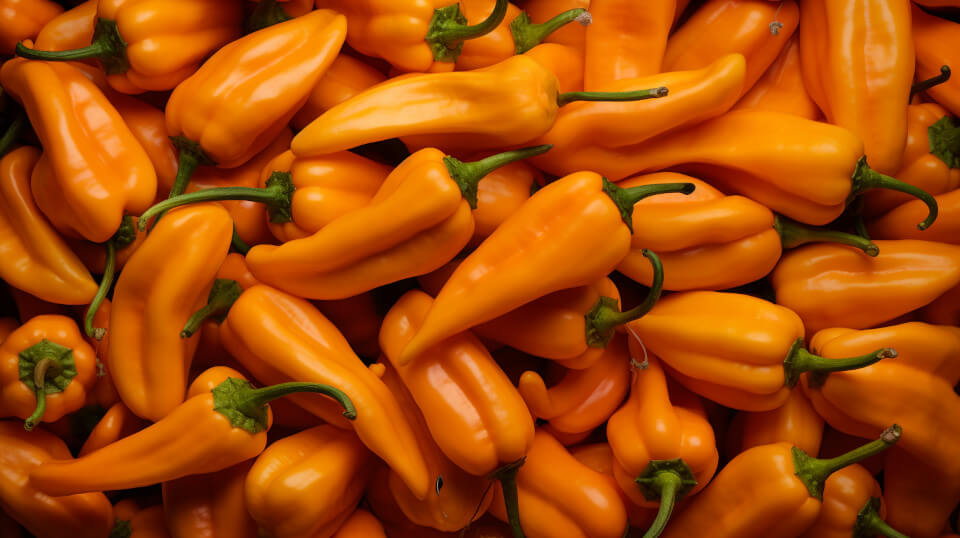
First things first: ají means “chili pepper.” Amarillo means “yellow.” But here’s the trick — ají amarillo is usually more deep orange than yellow. In Peru, people still call it “yellow chili” anyway, the way we still call black pepper “black” even when it’s grey on the plate.
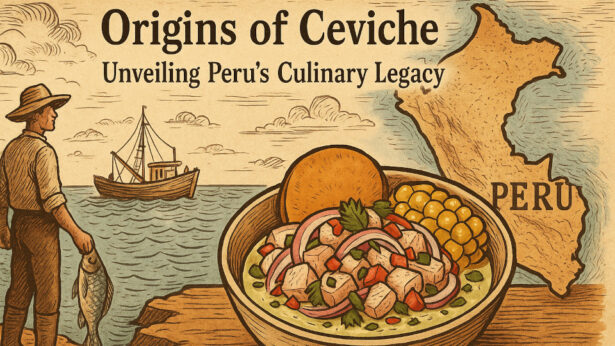
Ají amarillo is one of the core peppers of Peruvian cooking. It’s been grown and used in the Andes since pre-Columbian times, and it shows up everywhere: sauces, soups, stews, marinades, dips, dressings, ceviche, tiraditos, causas. If Peruvian food had a flag, ají amarillo would be on it.
It’s often called “the soul of Peruvian cuisine.” That’s not marketing. That’s normal Peruvian conversation.
Flavor: why chefs are obsessed with it
So what makes this pepper so special?
Ají amarillo has heat, yes. But that’s not the headline.
The real magic is the fruit.
Bite into a raw ají amarillo (careful, it’s hot), and you get a burst that feels like yellow summer fruit: passion fruit, mango, a little peach, something floral, something sunny. Then the heat arrives — clean, direct, mouth-filling. It warms first, then builds.
Breakdown:
- Heat level: medium-hot to hot, depending on how much you use.
- Aroma: bright, almost tropical.
- Taste: fruity, citrusy, slightly sweet.
- Finish: warm, lingering, addictive.
This balance is why ají amarillo works so well in dishes like ceviche and leche de tigre. It’s not only “spicy.” It’s flavor plus attitude.
Fresh, paste, or sauce: forms of ají amarillo
Ají amarillo usually reaches the plate in one of three forms. All three matter.
1. Fresh ají amarillo
Whole peppers, usually around 10–15 cm long, smooth and glossy. Sliced, blended, or minced raw.
Fresh ají amarillo goes into bright, uncooked preparations — ceviche marinades, leche de tigre, tiradito — where the pepper’s raw perfume and heat need to show up fast and clean.
2. Ají amarillo paste
This is the workhorse of Peruvian kitchens. The peppers are cleaned (seeds and veins removed), briefly boiled or blanched, and blended into a smooth, deep orange paste.
This paste becomes the base of countless sauces and stews. It gives body, color, perfume, and that unmistakable ají amarillo flavor.
In Peru, ají amarillo paste in the fridge is like tomato paste in Italy: non-negotiable.
3. Ají amarillo crema / sauce
Take that paste, add oil, sometimes lime, salt, maybe a touch of richness, and emulsify it until it’s silky. Now it’s a table sauce.
That sauce can go on:
- grilled fish
- crispy chicken
- roasted potatoes
- seafood skewers
It’s not just “hot sauce.” It’s a bright, golden citrus-chili cream that wakes everything up.
Color you can taste
Ají amarillo doesn’t just season. It paints.
That warm golden-orange tone you see in Peruvian stews, in causa, in certain creamy sauces? That’s the pepper. No artificial color. No tricks.
Peruvian food has a visual identity, and ají amarillo is a huge part of it. The color already tells you the mood of the dish before you eat it: bright, acidic, alive, fresh.
When you respect the pepper, you don’t hide that color under mayonnaise or dairy until it turns pale and sad. You let it glow.
Dishes where ají amarillo is the hero
Here are some pillars of Peruvian cuisine where ají amarillo is not a supporting actor — it’s the lead.
1. Leche de tigre
Leche de tigre, “tiger’s milk,” is the intense citrus-chili base that cures the fish in ceviche. People joke that it can bring the dead back to life.
It’s not just lime juice. The body, the color, the punch — that comes from ají amarillo blended into that liquid.
Without ají amarillo, leche de tigre is just sour.
With ají amarillo, it’s layered, round, salty, electric… and spicy.
2. Ceviche
Let’s be extremely clear here, because this gets softened a lot outside Peru:
Real Peruvian ceviche is hot.
Not “a hint of warmth.” Not “mildly spiced so tourists don’t panic.”
We’re talking about chili heat at a level that sits close to proper Thai food — fast, bright, sharp, unapologetic. When you eat ceviche in Peru, you feel it right away in your lips and the front of your mouth. You sometimes need that tiny pause between bites, that little inhale. That is normal.
That heat comes from ají amarillo (and sometimes also rocoto, which is even hotter). It’s intentional.
Why is ceviche spicy like that? Because it’s about balance:
- The chili heat cuts through the sweetness of fresh fish.
- The acidity of lime cuts through any fat.
- The salt wakes the whole thing up.
- Red onion adds crunch and perfume.
- Coriander brings green freshness.
Take away that chili burn and ceviche collapses into just “fish in lime.” Put the heat back, and it becomes ceviche.
So if you’ve only had “ceviche” that tastes like cold sea bass and lemon juice with almost no burn, that’s not the full story. Traditional Peruvian ceviche carries real fire, and ají amarillo is a huge part of that.
3. Causa
Causa is made from silky mashed potato seasoned with lime, oil, salt… and ají amarillo paste, then layered with fillings like crab, tuna, avocado, octopus.
It’s served cold. It looks beautiful. It’s creamy, citrusy, a little spicy, and it absolutely explodes with ají amarillo flavor. No ají amarillo, no causa. Simple.
4. Papa a la Huancaína
Boiled potatoes covered in a smooth, bright yellow sauce made from ají amarillo, fresh cheese, milk, oil, and salt.
This is pure Peruvian comfort — humble ingredients made loud and golden.
5. Tiradito
Tiradito is like sashimi that went to Lima.
Thin slices of raw fish, dressed just before serving with a glossy ají amarillo–based sauce, usually citrus-forward and silky.
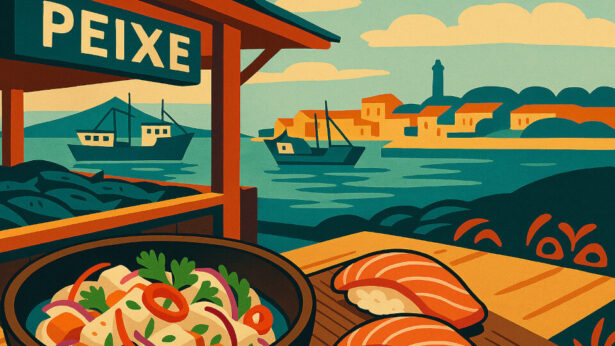
It’s a perfect example of Nikkei style: Japanese knife work, Peruvian flavor logic.
Peru meets Japan: the Nikkei bridge
Peru has a large Japanese community, and over generations this cultural overlap produced Nikkei cuisine — Peruvian ingredients handled with Japanese technique and discipline.
Ají amarillo sits at the center of that.
Picture this:
- pristine raw fish sliced like sashimi,
- plated with the elegance you’d expect from a Japanese counter,
- and then dressed not with soy and wasabi, but with leche de tigre driven by ají amarillo.
That moment — clean fish, sharp citrus, golden chili heat — is Peru and Japan talking to each other on one plate.
In Nikkei-style dishes, ají amarillo does something clever: it lets you bring honest Peruvian spice and brightness into a delicate raw preparation without drowning the fish.
How serious kitchens treat ají amarillo
This pepper gets respect. It’s not “just chili.” It’s handled like a key ingredient with rules.
1. Freshness matters
Old ají amarillo tastes bitter and flat. Fresh ají amarillo smells tropical and alive the second you cut into it.
2. Heat vs citrus
Too much pepper and you kill the fish. Too much lime and you wash out the pepper. Every batch of leche de tigre, every ceviche marinade, needs adjustment to that day’s actual limes and that day’s actual chilies. This is living food, not factory food.
3. Texture choice
Sometimes the pepper is blended totally smooth so it disappears into the sauce. Sometimes you leave tiny flecks so you feel the chili on your tongue. That decision changes how fast the spice hits.
4. Color integrity
That deep golden tone should look like sunshine, not beige. No shortcuts. No “yellow mayo pretending to be ají amarillo.” If the sauce looks lifeless, someone disrespected the pepper.
A note about “spicy” in Peru
In a lot of places, “spicy” on a menu means “don’t worry, it’s not actually spicy.”
In Peru, “spicy” means spicy.
A proper ceviche in Lima can light you up. The leche de tigre is sharp, saline, citrus-heavy, and loaded with ají amarillo (and often rocoto for extra aggression). The burn is fresh and clean, very similar to the way Thai chili hits: direct, fast, bright. Not smoky, not slow-building. Immediate.
This is not there to show off. It’s functional. That heat keeps each bite exciting. It makes you want the next spoon. It keeps seafood tasting like seafood, not like dressing.
So when people say “ají amarillo has a nice balanced heat,” that does not mean “weak.” It means it has both: flavor and fire. Traditional Peruvian ceviche is supposed to have both.
Can you cook with it at home?
Yes, and you should.
If you can find fresh ají amarillo:
- Remove seeds and veins.
- Blend the flesh with a splash of neutral oil and a pinch of salt.
- That’s it — you already have a base.
You can:
- spoon it over grilled fish or prawns
- whisk it into lime juice for a quick seafood marinade
- stir it into mashed potato (instant causa energy)
- blend it into yogurt or crema for a dipping sauce with personality
If you can only find ají amarillo paste in a jar, that’s fine too. Look for one with minimal additives. The color should be naturally bright, not neon fake.
One warning: start small. Taste. Adjust. Ají amarillo creeps up fast.
Why you can’t just “swap another chili”
People ask, “Can I just use habanero?” or “Can I use jalapeño instead?”
You can make something spicy with any chili. But you cannot make something taste Peruvian without Peruvian chili.
- Habanero: similar fruitiness, yes, but it’s more floral and sharper, and the burn is more aggressive.
- Jalapeño: greener, more grassy, nowhere near that tropical sweetness.
Neither gives you the same golden color, that round citrus-sweet tone, or that particular style of heat that ají amarillo delivers.
Ají amarillo isn’t just “a chili.” It’s architecture.
Final word
Ají amarillo is not a garnish. It’s not fusion. It’s not decoration on top of ceviche for Instagram.
It is the heartbeat of Peruvian flavor — the warmth in the leche de tigre, the glow in the causa, the bold yellow sauce over potatoes, the bridge between Japanese precision and Peruvian fire.
When you taste that fruity brightness, the salt and lime, and that real heat that makes you pause for half a second — that’s Peru’s golden chili doing exactly what it’s done for generations.
Come taste it for yourself. Try the ceviche and the leche de tigre made with real ají amarillo at NANIKA, and you’ll understand why Peru protects this pepper like treasure.